HOMEIntroduction
A critical reflection is drawn in this section on my engagement in teamwork, encompassing both of my past and present experiences, utilising the Gibbs’ reflective cycle (Figure 1) (Gibbs, 1988). The purpose of this reflection is to compare and contrast my involvement in teamwork in both professional and academic contexts. Moreover, this will focus on evaluating the skills I have acquired and assessing their impact on my contribution to the team. Specifically, the reflection will delve into my previous work team involvements as a laboratory processor and sales account officer. Ultimately, it will examine my current experiences within the university, where I engage in group tasks such as presentations, reports, and class activities. Throughout this analysis, I will provide insights into my personal growth and development, highlighting the transformative aspects of my journey.
-
My Past Work Experiences
I began my career as a laboratory processor, where I was involved in a series of sequential team-related processes. Although the work was routine and repetitive, it allowed me to excel in my role and significantly reduce the turnaround time for processing specimens. However, despite my efficiency and expertise in this role, I realised that it lacked opportunities for career progression and personal development. As a result, I made a decision to shift into the business industry and pursued a role as a sales account officer. I was filled with excitement and eagerness as I embarked on my new role, although a sense of anxiety crept in due to my lack of prior experience in the sales industry. As I delved into the responsibilities of the end-to-end client management process, I quickly realised the multitude of tasks and procedures I needed to grasp while simultaneously meeting my key performance indicators and delivering on company objectives. Given the absence of a formal in-house training or kick-off, I proactively sought assistance from my colleagues and our CEO to gain a better understanding of our products and the sales process. This demonstrated my adaptability, resilience, and commitment to teamwork as I navigated the challenges in the new work environment. In essence, I embraced the opportunity to learn and grow, reaching out for support when needed, and exhibiting flexibility in order to excel in my role amidst the adjustments required in this new sales-oriented setting.
-
My Present Teamwork Experiences
This semester, I had the opportunity to collaborate with different students on various assessments such as reports, presentations, and class activities. Initially, I felt nervous as our groups were formed randomly. As a master’s student, I understood that working effectively in a group setting would have a significant impact on our personal growth and development. In one instance, our team’s efforts resulted in a successful report. We demonstrated cohesiveness by taking initiative, delegating tasks, and actively participating. On the other hand, I worked on a presentation with a new group and our final mark did not meet our expectations. It was a leader-follower dynamic, where the brainstorming and decision-making processes were dominated by a couple of individuals. Despite my suggestions, my contributions were not fully heard. Coming from a sales background, I am usually outspoken. However, in this situation, my agreeableness triumphed. This experience has taught me the importance of managing difficult conversations to address issues within the team (Knight, 2015). It is crucial for a team to promote honesty, fairness, and constructive communication, which can facilitate conflict resolution and collaborative problem solving. Moreover it can restructure the group dynamics and ensure everyone's input is valued.
-
Conclusion
Both my professional and academic experiences have highlighted the significance of effective teamwork and collaboration in achieving individual and team success. These experiences have deepened my understanding of how each team member can complement and contribute to the overall outcomes. In my previous work experience, the focus was primarily on individual expertise and efficiency within specific roles, with success measured individually through key performance indicators. However, in my current university teamwork experience, I have had the opportunity to assess my strengths and weaknesses to contribute effectively to my team. The value of my contributions is now measured by the team's success and cohesiveness, emphasising the collective outcome rather than individual achievements.
Drawing from my past work experience, my developed skills, such as being task-oriented, can be leveraged to help organisations efficiently reach their goals within set timelines. Additionally, my current university team experience has exposed me to diverse cultures and environments, allowing me to appreciate the importance of diversity and inclusion in the workplace. Furthermore, my moderate-high score in people-orientedness and high level of team cohesiveness (Figure 2 & 3) could help me develop to manage difficult conversations and foster constructive communication; skills that I aim to further enhance in the future (Northouse, 2021).
-
References
Gibbs, G. (1988). Learning by doing: A guide to teaching and learning methods. Oxford Further Education Unit.
Knight, R. (2015, January 9). How to handle difficult conversations at work. Harvard Business Review; Harvard Business School. https://hbr.org/2015/01/how-to-handle-difficult-
conversations-at-work
Northouse, P. G. (2021). Introduction to leadership: Concepts and practice (Fifth edition). SAGE Publications Inc.
Appendix
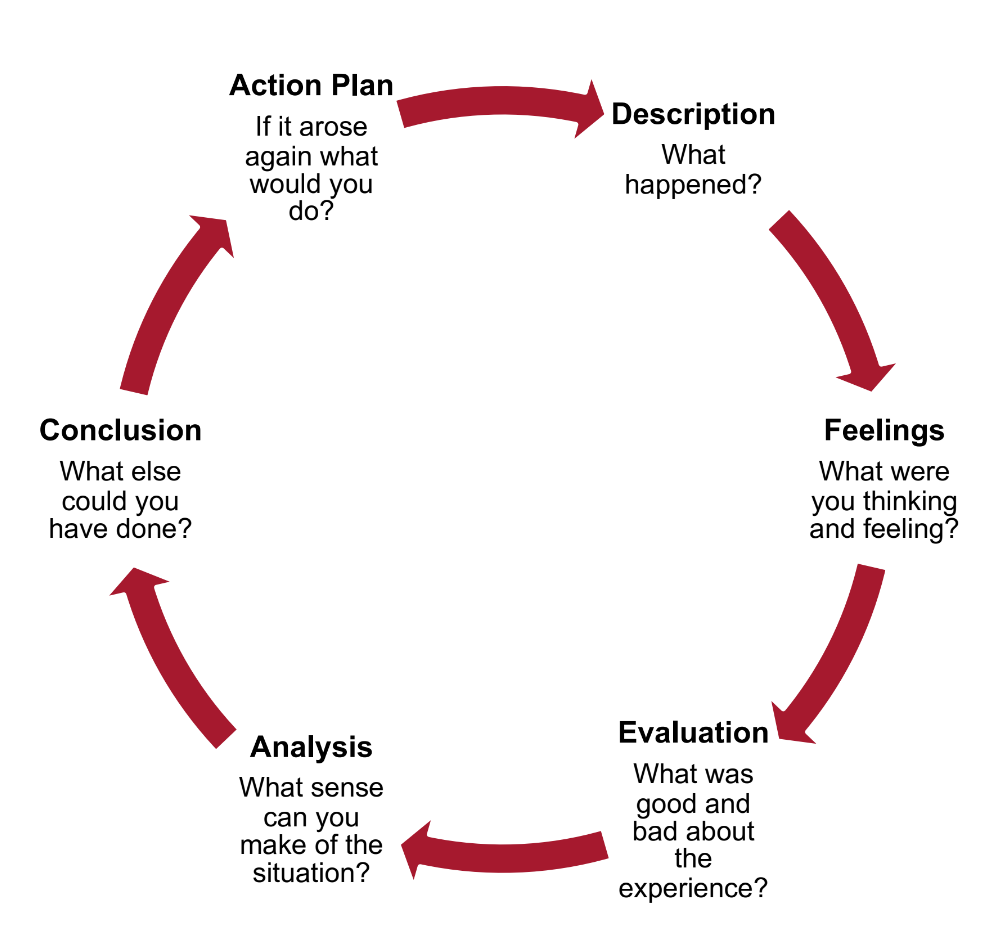
Figure 1. Gibbs’ reflective cycle (Gibbs, 1988)
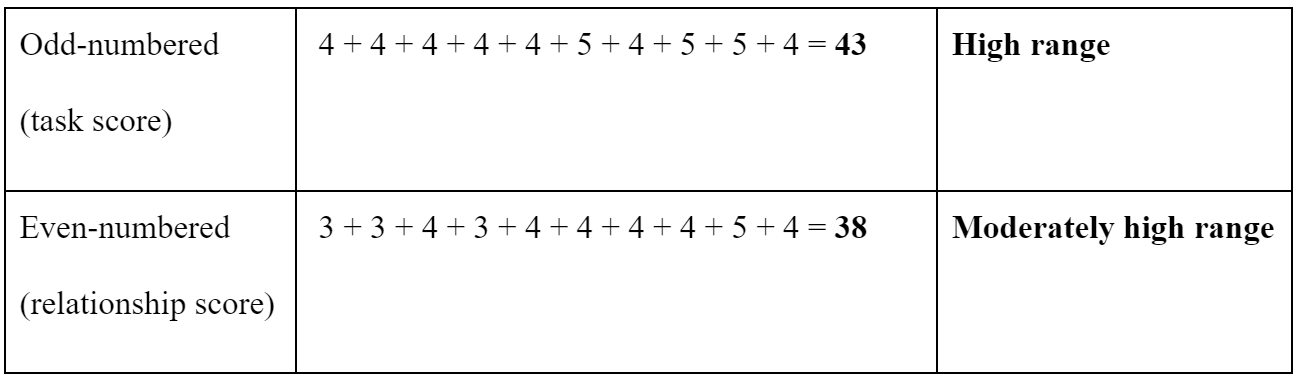
Figure 2. Task and Relationships Questionnaire (Northouse, 2021)
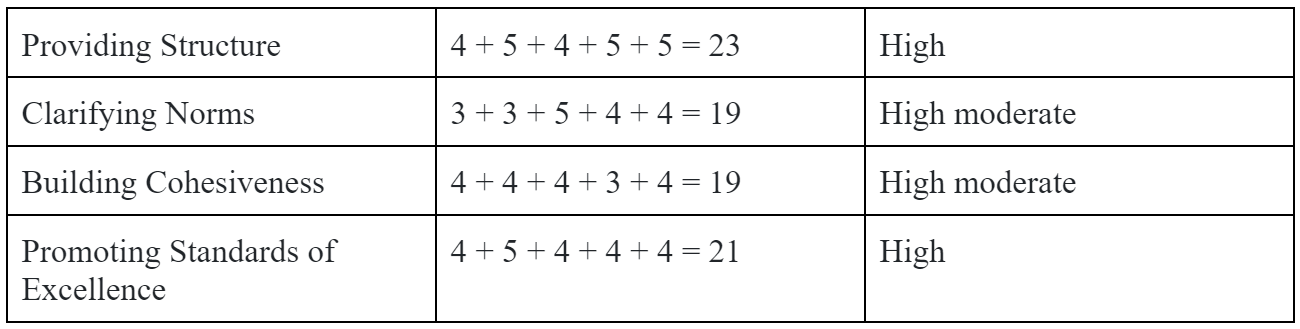
Figure 3. Organisational Climate Questionnaire (Northouse, 2021)
